

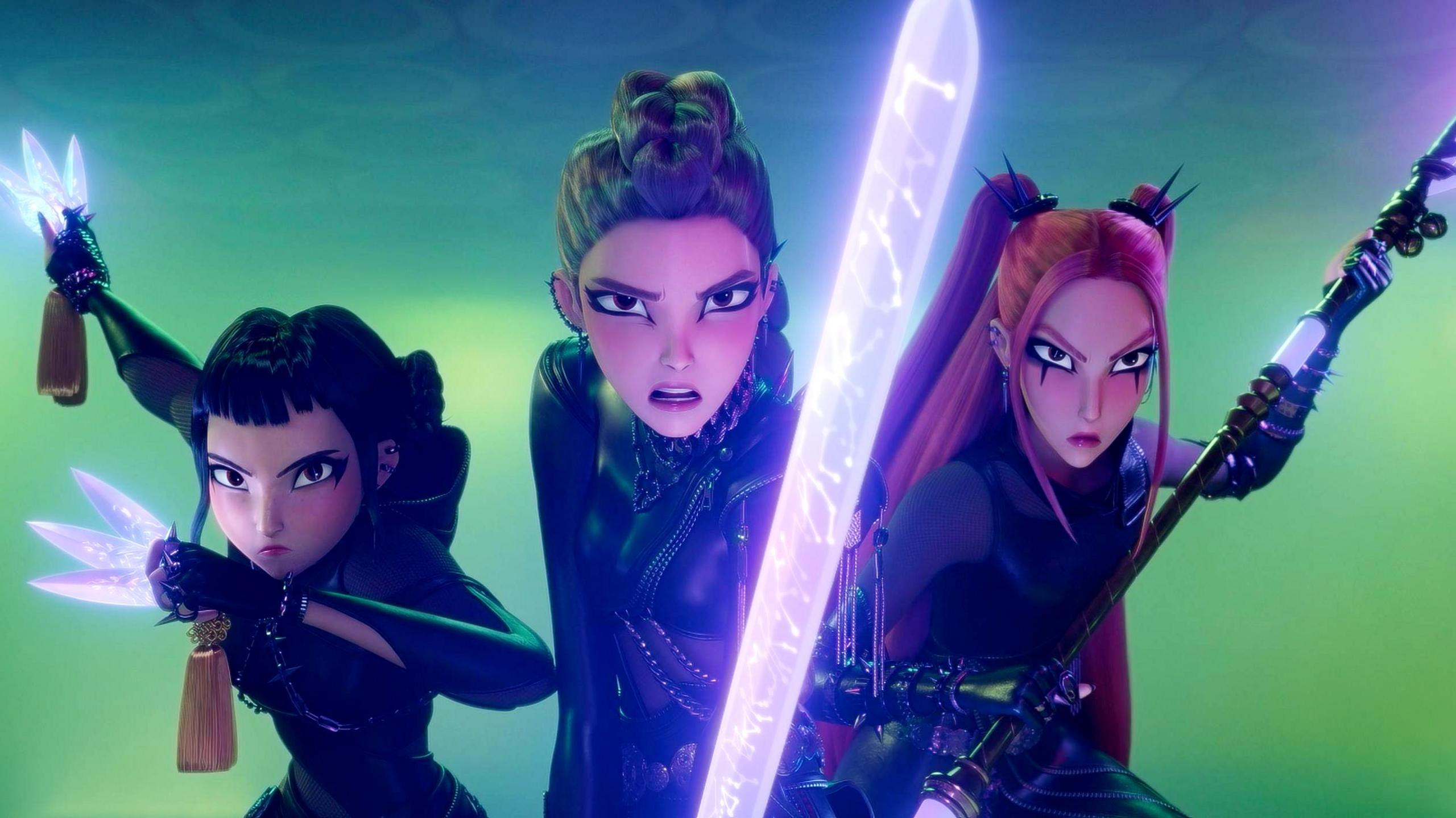
In the summer of 2025, an animated film exploded onto the global stage, shattering streaming records and redefining what a musical could be. KPop Demon Hunters, a vibrant fusion of urban fantasy, Korean mythology, and the pulsating energy of K-pop, emerged not just as a successful movie but as a watershed moment in animated storytelling. Directed by Maggie Kang and Chris Appelhans, the film transcended its genre to become a narrative about identity, acceptance, and the unifying power of music, all while dazzling audiences with its unprecedented visual artistry.
The Alchemy of Concept and Creation
The genesis of KPop Demon Hunters was a deeply personal endeavor for director Maggie Kang. It began as a desire to create a story anchored in her Korean heritage, moving beyond common Western narratives to mine the rich veins of Korean folklore and contemporary culture. Kang and her co-director, Chris Appelhans, envisioned a world where the spectacle of a K-pop concert was not merely entertainment but a frontline in a supernatural war. This core idea—of idols as literal protectors—allowed the film to explore the very real pressures of fame and perfection through a fantastical lens.
The creative team undertook extensive research, delving into Korean shamanism, specifically the ritual practices of mudang (female shamans) who historically used song, dance, and percussion to communicate with the spiritual world. This historical precedent provided a profound cultural foundation for Huntrix’s magical abilities, framing their performances as modern-day rituals for protection rather than mere showmanship. This thoughtful integration of tradition set the film apart, offering authenticity and depth beneath its glossy, high-octane surface.
A Visual and Aural Symphony
The animation style of KPop Demon Hunters is a character in itself. Sony Pictures Imageworks developed a unique hybrid aesthetic that masterfully blends the dynamic, action-oriented language of anime with the sleek, high-fashion photography of K-pop music videos and concert lighting. The film’s color palette shifts dramatically with its tone: the world of Huntrix is often bathed in warm golds and neon pinks, while the demonic influence of the Saja Boys washes scenes in cool, oppressive blues and sinister reds.
Character design was executed with meticulous intent. The members of Huntrix—Rumi, Mira, and Zoey—were crafted to feel relatable and distinct, consciously moving away from homogenized “sexy and cool” superhero archetypes. Their combat styles and traditional Korean weapons (the saingeom sword, gokdo polearm, and shinkal throwing knives) visually tether them to their cultural legacy. In stark contrast, the rival Saja Boys undergo a chilling visual metamorphosis. They debut with a bubblegum-pop innocence that slowly peels away, ultimately revealing designs inspired by the jeoseung saja (Korea’s grim reaper) and adorned in haunting black hanbok, perfectly mirroring their corrupting mission.
The film’s soundtrack is arguably its beating heart. It operates on two levels: diegetic pop anthems performed by the characters and a sweeping orchestral score by Marcelo Zarvos that underscores the emotional drama. Songs like “Golden” and “Takedown” are not just catchy musical numbers but critical plot devices that advance character development and narrative conflict. The success of this music in the real world—topping charts and earning Grammy nominations—proved the film’s authentic capture of the K-pop spirit and its emotional potency.
Narrative Depth: More Than Just a Monster Battle
At its core, KPop Demon Hunters is a story about the battle within. The central conflict is not solely between Huntrix and the Saja Boys, but within Rumi herself—a half-demon protagonist burdened by shame and hiding her true nature from her found family. Her journey from self-loathing to acceptance forms the film’s powerful emotional spine. The demonic patterns spreading on her skin are a potent metaphor for internalized shame, and her ultimate victory comes not from destroying her demonic half, but from integrating and accepting it.
This theme of acceptance is mirrored in the antagonist, Jinu. A human tragically corrupted by his own past guilt and a bad bargain, he is not a purely evil villain but a fractured reflection of Rumi’s own struggle. Their dynamic suggests that the line between hunter and demon is blurred, defined less by origin and more by choice and self-perception. The film argues that the true “demon” is often the voice of shame and guilt that isolates us, a force conquered not with a sword, but with empathy, vulnerability, and community—powerfully expressed through Rumi’s climactic, improvised song of self-acceptance.
Cultural Impact and Legacy
The reception of KPop Demon Hunters was historic. Its record-shattering 325 million views on Netflix demonstrated a massive, global hunger for stories that blend Eastern mythology with Western animation sensibilities. Its sing-along theatrical run topping the box office signaled a new model for hybrid release strategies and audience engagement.
Culturally, the film served as a vibrant ambassador for Korean heritage. It moved beyond superficial aesthetic nods, actively educating global audiences on folklore, traditional attire, and historical musical precedents like the Kim Sisters. For diasporic viewers, it offered rare and meaningful representation, portraying Korean and Korean-American characters as complex heroes in a globally popular medium.
The film’s success has already catalyzed further projects, including a planned sequel for 2029. It stands as a definitive proof-of-concept that original, culturally specific animated stories can achieve universal appeal and blockbuster success, potentially paving the way for a new wave of diverse mythic storytelling in mainstream animation.
Frequently Asked Questions
1. Do I need to be a K-pop fan to enjoy this movie?
Not at all. While fans will appreciate the authentic details and music, the film is foremost a compelling fantasy story about friendship, identity, and fighting inner demons. The K-pop setting is the vibrant stage for this universal narrative.
2. Is the film suitable for children?
The film is rated for ages 10+ and contains fantasy action violence against cartoonish demons, mild thematic elements of personal shame, and no graphic content. It’s an action-comedy at heart, but parents may wish to discuss the themes of hiding one’s true self with younger viewers.
3. What makes the animation style special?
The film pioneers a unique look by combining the dynamic action and emotional expressiveness of anime with the high-gloss, cinematic quality of live-action K-pop music videos and concert footage, creating a visually immersive “pop-culture anime” experience.
4. Are the musical performances important to the plot?
Absolutely. Each major song is a narrative engine. The performances are how the hunters wield their magic, and the lyrics directly reflect the characters’ emotional states and evolving conflicts, making the music integral to story progression.
5. What is the central message of the story?
The film champions the power of authenticity and self-acceptance. It argues that our perceived flaws and differences are not weaknesses to be hidden, but can be sources of strength, especially when embraced with the support of a true community.
Conclusion
KPop Demon Hunters is far more than a clever genre mash-up. It is a meticulously crafted, emotionally resonant triumph that successfully wields its high-concept premise to explore profound human themes. By fusing the ancient threads of Korean shamanism with the global heartbeat of K-pop, it creates a new myth for the modern age—one where heroes are judged not by their purity, but by their courage to face their own shadows. The film proves that animation can be a powerful vessel for cultural specificity, that pop music can carry deep narrative weight, and that the most epic battle is often the journey to embrace one’s whole, true self. It didn’t just break records; it broke new ground, leaving a golden legacy for future stories to follow.