

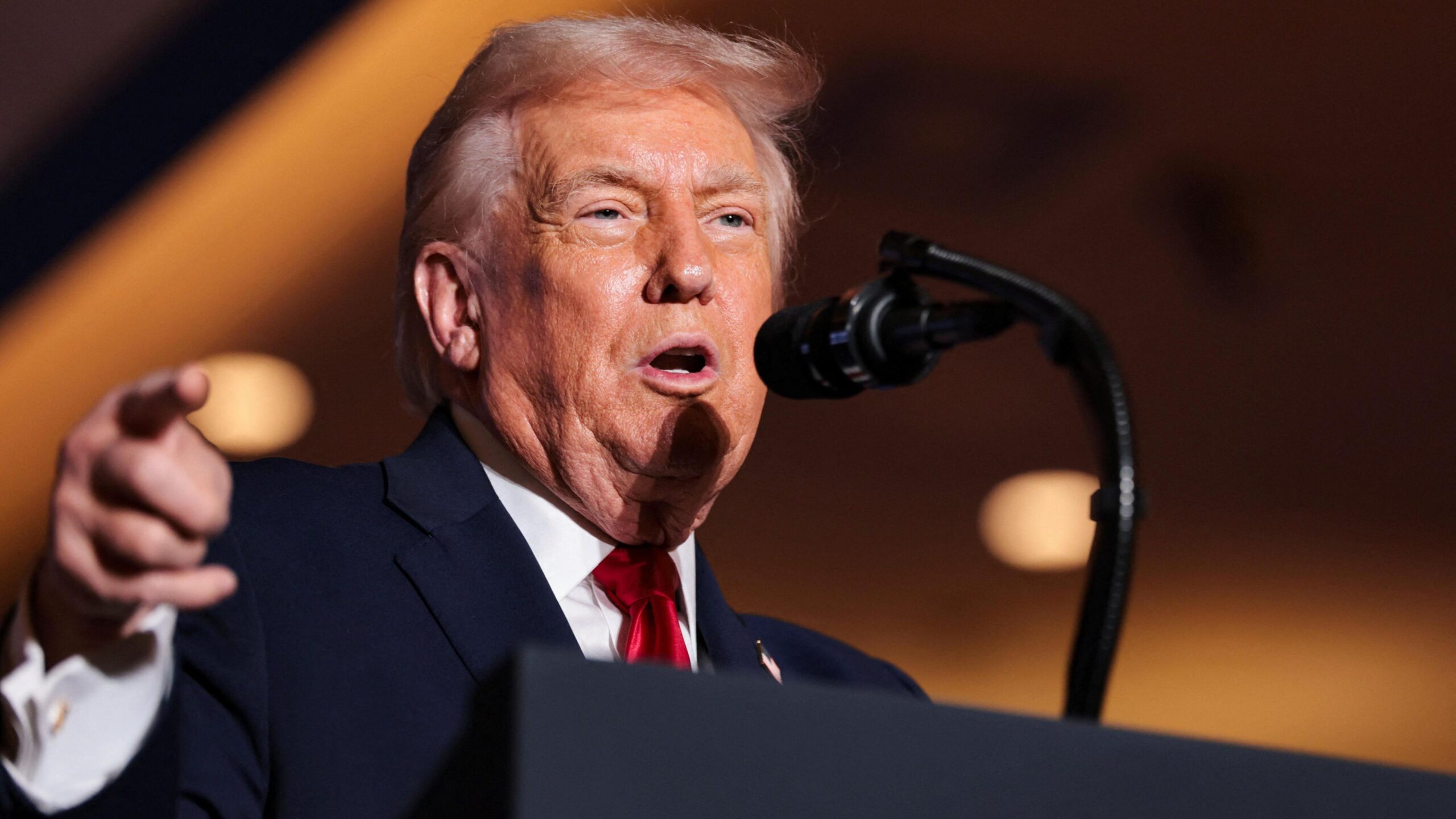
The ascent of donald John Trump from a New York real estate developer and television personality to the 45th and 47th President of the United States represents one of the most significant and polarizing shifts in modern political history. His career, both before and within the political arena, is a study in the power of personal branding, the disruption of established norms, and the profound reconfiguration of a nation’s political dialogue. To understand Trump is to understand a figure who operates not within the traditional frameworks of politics or business, but through a distinct, media-savvy ethos of conflict, promotion, and perpetual motion—an approach that has irrevocably altered the American landscape.
The Architect of an Image: From Brick and Mortar to “The Apprentice”
Long before his political foray, Trump mastered the art of crafting a public persona. His business career, beginning under the wing of his father, Fred Trump, was not merely about constructing buildings but about constructing an icon. The key to his early brand was the association of the “Trump” name with unapologetic luxury and success. Properties like Trump Tower on Fifth Avenue were not just mixed-use skyscrapers; they were physical monuments to his ambition, clad in reflective glass and bronze, designed to dominate the Manhattan skyline and the public imagination.
This narrative of success, however, was meticulously curated and often contested. His ventures into the Atlantic City casino industry in the 1980s and 1990s revealed the fragility beneath the glitz, culminating in a series of high-profile corporate bankruptcies. Yet, Trump displayed a remarkable ability to deflect failure. He framed bankruptcies as savvy financial tools, and legal battles—of which he has been involved in thousands—as signs of his relentless fighting spirit. This resilience in narrative control became a hallmark of his career.
The vehicle that cemented his transition from a regional business figure to a national celebrity was reality television. As the host of NBC’s The Apprentice, Trump perfected the persona of the omnipotent, decisive CEO, delivering the catchphrase “You’re fired” with theatrical finality. The show, which aired from 2004 to 2015, did not just make him a household name; it embedded an image of Trump as the ultimate arbiter of business acumen, a straight-shooting mogul who valued decisiveness and results over diplomacy and process. This televised character became the foundational avatar for his political campaign—the political outsider who would “run America like a business.”
The Political Earthquake: Trumpism as a Movement
Trump’s 2016 presidential campaign was a masterclass in breaking political rules. He bypassed traditional media gatekeepers through a direct, unfiltered, and relentless use of Twitter (now X), creating a sense of intimate connection with his base. His rhetoric, filled with slogans like “Make America Great Again” and “Build the Wall,” was simple, repetitive, and emotionally potent, tapping into wells of economic anxiety, cultural displacement, and distrust of establishment institutions in both political parties.
His policy positions were equally disruptive. He challenged long-held bipartisan consensus on international trade, NATO, and foreign alliances, advocating for an “America First” approach that framed global engagement as a burden rather than a benefit. Domestically, he pledged to dismantle federal regulations, appoint conservative judges, and renegotiate or withdraw from international agreements, which he subsequently did with the Paris Climate Accord and the Iran nuclear deal.
Trump’s first term (2017-2021) was defined by the vigorous, often chaotic, pursuit of this agenda and the relentless controversy that accompanied it. His administration saw significant achievements for his supporters: major tax cuts, the appointment of three conservative Supreme Court justices, the renegotiation of the North American trade deal (USMCA), and a hardline stance on immigration. However, each was shadowed by turmoil—high staff turnover, two impeachments (first for abuse of power regarding Ukraine, then for incitement of insurrection following the January 6th Capitol attack), and a constant atmosphere of political and legal warfare.
The Unprecedented Second Act: Power, Legalities, and Global Repercussions
Trump’s loss in the 2020 election and the ensuing events of January 6th appeared, for a moment, to be a terminal point. Yet, his refusal to concede defeat and his persistent claims of a “stolen election” solidified his grip on the Republican Party, transforming him from a president into a movement leader in exile. His comeback in the 2024 election, defeating incumbent Vice President Kamala Harris, is an unparalleled event in American history, underscoring his unique connection with a vast segment of the electorate.
His second term, as contemporaneously reported, has intensified the themes of his first. Domestically, he has initiated sweeping actions like mass layoffs of federal workers and aggressive use of executive orders, triggering an avalanche of legal challenges—over 300 lawsuits as noted—testing the boundaries of presidential authority. The intersection of his personal legal battles with his official power has become a central drama; his 2024 felony conviction for falsifying business records and the subsequent dismissal of other indictments after his election present a constitutional and political novelty.
On the global stage, reports indicate a more unilateral and confrontational foreign policy. Actions such as the seizure of a Venezuelan oil tanker, aggressive maritime interdictions, and public contradictions between announced diplomatic outcomes (like a claimed ceasefire in Southeast Asia) and on-the-ground realities have created a landscape of heightened uncertainty. This approach, while energizing his base with a show of decisive strength, has complicated traditional alliance structures and diplomatic channels.
The Enduring Impact: Norms, Narrative, and the American Future
The true measure of Trump’s impact lies less in any single policy and more in his transformation of the political ecosystem itself.
- The Erosion of Established Norms: From the neutrality of the Justice Department to the expectation that presidential candidates accept electoral results, Trump has consistently challenged the unwritten rules of American democracy. His extensive use of presidential pardons for allies, his attacks on the independence of the judiciary and intelligence agencies, and his blending of official events with political activity have established new, more partisan precedents.
- The Power of Narrative Over Fact: Trump’s political survival highlights the potent force of narrative. His ability to maintain a loyal base, despite controversies and legal setbacks, demonstrates a political paradigm where perceived cultural allegiance and emotional resonance can outweigh traditional measures of presidential conduct or factual accuracy. The media landscape he helped shape—one of polarized information ecosystems—ensures that his narrative finds a powerful, reinforcing audience.
- The Trumpian Legacy: Whether one views him as a necessary disruptor or a democratic threat, Trump’s legacy is the “Trumpified” political arena. He has reshaped the Republican Party in his image, making populist, America-first nationalism and a combative media style its dominant modes. He has forced the Democratic Party and institutions like the media to adapt to his unconventional tactics. The political climate is now one of perpetual campaign, where conflict is currency and the volume of outrage is often louder than the substance of debate.
Frequently Asked Questions (FAQs)
1. What is the core idea behind “Trumpism”?
Trumpism is a political ideology and style centered on populist, nationalist “America First” policies, a disdain for political elites and establishment institutions, an aggressive and personal use of media (particularly social media), and an economic platform that combines traditional conservative tax and deregulation policies with protectionist trade views. It is more defined by attitude and approach than a rigid policy doctrine.
2. How has Trump’s business background influenced his approach to the presidency?
He has operated the presidency with a CEO-like focus on executive action (executive orders) over legislative deal-making, a high tolerance for personnel turnover, and a relentless emphasis on personal branding and loyalty. He views negotiations, whether with Congress or foreign nations, as transactional deals where perceived strength and the threat of walking away are key tactics.
3. What are the most common legal challenges faced by his administration’s policies?
His policies are frequently challenged in court on grounds of exceeding statutory authority (acting without Congressional mandate), violating constitutional due process or equal protection clauses (particularly immigration and transgender rights policies), and failing to follow required administrative procedures for enacting federal regulations.
4. How does Trump’s use of social media differ from previous presidents?
He used platforms like Twitter (X) as a direct, unfiltered channel to his base, bypassing traditional media to set the daily news agenda, attack critics, make official policy announcements, and mobilize supporters. This created a permanent, real-time campaign atmosphere and allowed him to frame issues on his own terms, though it also led to widespread controversy and the spread of misinformation.
5. What is the significance of his numerous judicial appointments?
By appointing over 230 federal judges, including three Supreme Court Justices, Trump has shifted the American judiciary significantly to the right for a generation. This legacy will influence rulings on key issues like abortion, gun rights, regulatory power, and religious liberty long after he leaves office, embedding his most consequential policy impact within the judicial branch.
Conclusion
Trump is more than a president; he is a phenomenon. He is a mirror held up to a deeply divided America, reflecting its frustrations, its cultural battles, and its declining trust in inherited institutions. His career—from the gilded towers of Manhattan to the rally stages to the Oval Office—demonstrates the formidable power of a singular, uncompromising personal brand in the modern media age. Whether championed as the voice of the forgotten American or decried as a danger to democratic norms, his influence is indisputable. He has not just held political office; he has shattered its traditional boundaries, rewritten its rulebook on conflict and communication, and left an indelible mark on the nation’s social fabric and its place in the world. The final chapter on his impact is yet to be written, but it is clear that the era of Trump has fundamentally changed the trajectory of American politics. The enduring question for the United States is not merely how to assess one man, but how to navigate the profoundly altered political landscape he has created.